The Drain-Waste-Vent (DWV) system is a crucial component of any building's plumbing infrastructure. It is responsible for the removal of waste and the regulation of air pressure in the plumbing system. This article will delve into the intricacies of the DWV system, its components, its function, and its importance in maintaining a healthy and efficient plumbing system.
Understanding the DWV system is essential for anyone involved in the construction, maintenance, or repair of buildings. Whether you are a professional plumber, a DIY enthusiast, or a homeowner seeking to understand more about your property's plumbing, this comprehensive guide will provide you with a detailed understanding of the DWV system.
The DWV system is a network of pipes that carries waste and water from a building and helps regulate air pressure within the plumbing system. It is designed to ensure the safe and efficient removal of waste and water from a building, while also preventing harmful sewer gases from entering the living spaces.
While the DWV system may seem complex, it operates on a few basic principles of physics, including gravity and air pressure. Understanding these principles can help demystify the workings of the DWV system and make it easier to diagnose and fix problems when they arise.
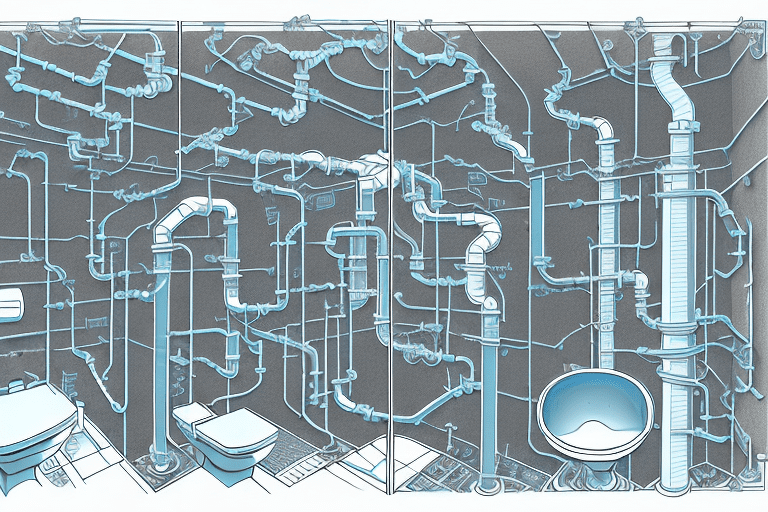
The DWV system is composed of three main components: the drain lines, the waste lines, and the vent lines. Each of these components plays a crucial role in the operation of the system.
The drain lines are the pipes that carry water and waste from fixtures like sinks, tubs, and toilets. The waste lines are larger pipes that collect the waste and water from the drain lines and carry it away from the building. The vent lines are pipes that extend from the waste lines up through the roof of the building. They allow air to enter the system, which helps regulate air pressure and allows waste and water to flow freely through the pipes.
The primary function of the DWV system is to safely carry waste and water away from a building. It does this through a network of pipes that rely on gravity to move waste and water downward. As waste and water move through the system, air is needed to replace the volume of the moving waste and water. This is where the vent lines come into play.
The vent lines allow air to enter the system, which helps maintain a neutral air pressure. Without the vent lines, the system would become pressurized, which could cause waste and water to flow back into the building. The vent lines also help to vent sewer gases out of the system and into the open air, preventing them from entering the living spaces of the building.
The DWV system is a crucial part of any building's plumbing system. Without it, waste and water would not be able to be removed from the building, and harmful sewer gases could enter the living spaces. The DWV system also helps maintain a neutral air pressure in the plumbing system, which is necessary for the proper functioning of the plumbing fixtures.
When the DWV system is not functioning properly, it can lead to a variety of problems, including slow drains, clogged pipes, and the release of sewer gases into the building. Regular maintenance and inspection of the DWV system can help prevent these problems and ensure the system is operating efficiently.
The DWV system plays a critical role in the overall plumbing system of a building. It works in conjunction with the water supply system to provide a complete plumbing solution. While the water supply system brings fresh water into the building, the DWV system removes waste water and sewage from it. This cycle ensures a continuous supply of fresh water and the safe disposal of waste.
Moreover, the DWV system also plays a role in maintaining the health and safety of the building's occupants. By venting sewer gases outside the building and maintaining neutral air pressure in the plumbing system, the DWV system prevents the buildup of harmful gases and bacteria, thus contributing to a healthier living environment.
A well-maintained DWV system is essential for the health of a building. A malfunctioning DWV system can lead to a variety of problems, including water damage, mold growth, and the buildup of harmful gases. Over time, these issues can lead to structural damage to the building and health issues for its occupants.
Regular inspection and maintenance of the DWV system can help prevent these issues. By ensuring that the system is functioning properly, building owners can prevent costly repairs and maintain a healthy living environment.
Like any system, the DWV system can experience a variety of problems. These can range from minor issues like slow drains to major problems like sewer gas leaks. Understanding the common problems and their solutions can help you maintain your DWV system and prevent serious issues.
Some common problems include clogged drains, vent line obstructions, and leaks in the system. Each of these problems can be diagnosed and fixed with the right knowledge and tools.
Clogged drains are a common problem in the DWV system. They can be caused by a variety of factors, including the buildup of hair, grease, or other debris in the pipes. Clogged drains can lead to slow drainage and can eventually cause the drain to stop working entirely.
The solution to a clogged drain often involves using a plunger or a plumber's snake to dislodge the clog. In more severe cases, it may be necessary to remove and clean the pipe or to use a chemical drain cleaner.
Vent line obstructions are another common problem in the DWV system. These can be caused by debris like leaves or bird nests blocking the vent pipe. When the vent pipe is blocked, it can cause the system to become pressurized, which can lead to slow drains and the release of sewer gases into the building.
The solution to a vent line obstruction often involves removing the obstruction from the vent pipe. This can usually be done with a long, flexible rod or by using a specialized vent cleaning tool.
Leaks in the DWV system can be caused by a variety of factors, including age, damage, or poor installation. Leaks can lead to water damage and can allow sewer gases to enter the building.
The solution to a leak in the DWV system often involves repairing or replacing the leaking pipe. This can be a complex task that often requires the skills of a professional plumber.
The installation and maintenance of a DWV system is a complex task that requires a thorough understanding of the system and its components. It also requires a variety of specialized tools and materials.
Whether you are installing a new DWV system or maintaining an existing one, it is important to follow best practices to ensure the system is installed correctly and is functioning efficiently.
When installing a DWV system, it is important to follow a few key best practices. These include ensuring the system is properly vented, using the correct size of pipes, and ensuring all connections are secure.
Proper venting is crucial to the operation of the DWV system. The system should be vented to the outside of the building to allow sewer gases to escape and to allow air to enter the system. The size of the pipes used in the system is also important. Using pipes that are too small can lead to clogs and slow drainage, while pipes that are too large can lead to waste getting stuck in the pipes.
Maintaining a DWV system involves regular inspection and cleaning of the system. This can help prevent problems like clogs and leaks and can ensure the system is operating efficiently.
Regular inspection of the system can help identify potential problems before they become serious. This includes checking for leaks, inspecting the vent lines for obstructions, and checking for signs of damage. Regular cleaning of the system can help prevent clogs and can keep the system running smoothly.
The Drain-Waste-Vent system is a crucial part of any building's plumbing infrastructure. It ensures the safe and efficient removal of waste and water from the building, while also preventing harmful sewer gases from entering the living spaces. Understanding the DWV system, its components, and its function can help you maintain your plumbing system and prevent serious problems.
Whether you are a professional plumber, a DIY enthusiast, or a homeowner seeking to understand more about your property's plumbing, this comprehensive guide has provided you with a detailed understanding of the DWV system. With this knowledge, you can ensure your plumbing system is functioning efficiently and maintain a healthy and safe living environment.